Miseria Launch Notes
What changed from the free demo to the 7 August 2026 Steam release.
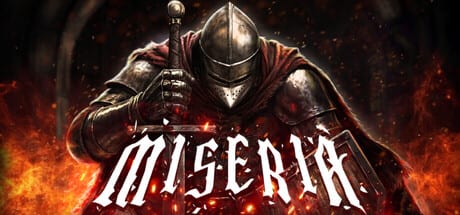
Miseria left the itch.io demo behind and launched on Steam on 7 August 2026 for $7.99. Somnambulist Games kept the same dark fantasy idle fantasy—auto combat through an ever-descending abyss, gold into the blacksmith, Reborn into Dark Blessings spent at the Church—but the full release is clearly built as a longer single-player loop, not a vertical slice. This page is a player-facing changelog of that jump, not a scorecard.
If you want purchase context and honest early reception notes, read the Miseria review after this summary. If you want to spend blessings smarter on day one, jump to the Reborn planner and How to Reborn.
Demo foundation vs full release goals
The demo already proved the fantasy: your party fights automatically, floors get nastier as you descend, and Reborn converts depth into permanent Church power. Developer comments during the demo period made the prestige rules explicit—Dark Blessings and purchased Church upgrades persist; XP, gold, and floor progress reset. The full game keeps that contract and wraps more content around it.
Expect the release build to feel like the demo’s loop with the training wheels removed: more story framing up front, more floors to chase, more room to grow the party, and a Church tree deep enough that “I bought everything useful” takes many Reborns instead of one lucky dump.
Story intro and presentation
The full release leans harder into the damned-souls premise. Where the demo dropped you into the loop quickly, the launch build gives more narrative framing for why your party keeps descending and why the Church’s Dark Blessings matter. You do not need the story to optimize forge timing, but the intro helps new players understand that Reborn is the intended long-term engine, not a soft game-over.
If you are returning from the demo, do not skip the early town beats entirely. They contextualize recruit timing and why permanent unlocks at the Church feel like reclaiming parts of the settlement between abyssal runs.
More floors in the descent
The most obvious demo-to-release difference is vertical content: more floors, longer plateaus, and more reasons to Reborn instead of soft-capping in the demo’s shallow end. Auto combat still does the clicking, but gear quality, party composition, and Church passives decide whether a new floor is a farm or a wall.
Practically, that means your first full-game Reborn should aim deeper than your old demo muscle memory. Note your deepest floor, estimate blessings with the Reborn planner, and spend for tempo—Blacksmith permanence, Spikes/thorns, gold magnet—before you chase expensive stat caps. The Church upgrades tier list stays useful even as the tree grows, because early nodes still buy the idle quality-of-life that makes a longer abyss tolerable.
Party slots and roster growth
Full release expands how wide your party can become compared with the demo’s tighter roster. Extra slots change the value of recruits like the Alchemist and make early build pages more important: you are no longer optimizing a tiny fixed team forever. Use the early-game build for a sane first composition while you unlock forge permanence and Church pickup upgrades.
More slots also change when you Reborn. If a new recruit is gated behind depth or Church progress, clinging to a stalled floor to protect temporary gold can be worse than resetting into a run that can actually field the wider party. Miseria remains single-player with no multiplayer, so every slot decision is local to your save.
Church tree depth and Dark Blessings sinks
The Church is the prestige sink. Launch deepens that tree so Dark Blessings keep mattering after the first handful of permanent unlocks. That is good for long-term idle play and dangerous for careless spending: dumping blessings into late crit, vamp, or stat-cap nodes before Blacksmith, Spikes, magnet, Alchemist, and start XP can make the longer floor list feel grindy.
Recommended launch habit:
- Finish a clean push while clear speed is still comfortable.
- Reborn for blessings.
- Buy permanent town and idle QoL first.
- Add combat polish once the loop is smooth.
- Save expensive caps for when the economy can feed them.
Cross-check with How to Reborn whenever you are unsure what resets.
Demo-era patches worth remembering
Before the August launch, two May 2026 demo notes still explain player expectations. The Demo gameplay update (4 May) tightened feel and clarity during Medieval Fest: menu visuals, higher autosave frequency, characters facing their targets, progression rebalance, UI readability, localization fixes, and texture compression that cut the demo from roughly 2 GB to about 500 MB. The next day, the Dark Blessings save hotfix (5 May) fixed a bug that could occasionally prevent Prestige Points and Dark Blessings from saving correctly—critical trust work for anyone already cycling Reborn.
Those pages are historical context, not a substitute for this launch changelog. Read them if you are bridging festival demo memories into the full game; then come back here for floors, party slots, and Church depth.
Same-day Progression Hotfix
On 7 August 2026—launch day—Somnambulist also shipped a Progression Hotfix. It fixed a bug where spamming the advance floor button could skip multiple floors. That matters for honest Keep Descending milestones and the floor-90 ending push. Mash no longer yeets you past walls; clear or auto-descend one step at a time. Read the dedicated hotfix page before inventing new advance superstitions.
Mixed reception, stated plainly
At launch, Steam user reviews sat in Mixed territory—roughly half of early reviews positive. That is worth knowing if you are deciding whether to buy during the introductory discount window, and it is not the same thing as “the prestige loop is broken.” Mixed scores on small idle releases often bundle pacing complaints, wish-list feature gaps, and polish notes alongside praise for the core auto-battler fantasy.
This updates page will not re-litigate every review thread. For a fuller purchase-oriented write-up, see the Miseria review. For strategy, trust your own floor clears: if Reborn into Church upgrades is still accelerating your next descent, the loop is doing its job on your machine.
What to do after reading this
- New to the full game: Getting Started
- Ready to prestige: Reborn planner and How to Reborn
- Building the first party: early-game build
- Ranking Church nodes: Church upgrades tier list
- Site map: Wiki overview
Treat the Progression Hotfix as the first live trust patch next to these content notes. We will add later patch entries under the Updates Hub when Somnambulist Games ships meaningful balance or content changes. Until then, treat these launch notes as your demo-to-release bridge and rebuild your Church plan for the longer abyss—ending depth included (How to Reach Floor 90).
Frequently Asked Questions
Quick answers to the most common questions.
What is the biggest demo-to-full difference?
The full Steam release extends the descent with more floors, deeper party growth, richer story framing, and a thicker Church tree for Dark Blessings.
Did Reborn rules change at launch?
The prestige contract stays familiar: you keep Dark Blessings and Church purchases, while XP, gold, and floor progress reset. Always confirm live tooltips after patches.
Is Miseria multiplayer after launch?
No. The full release remains single-player with no online multiplayer.
Why does this page mention Mixed reviews?
Early Steam reception was Mixed. We note that for buyers returning from the demo, then point to the review page instead of turning launch notes into a score essay.
Where should demo players spend first blessings?
Same early order as the planner: Blacksmith permanence, Spikes/thorns, gold magnet, then Alchemist and start XP before expensive caps.
Was there a launch-day hotfix?
Yes. The Progression Hotfix on 7 August 2026 fixed multi-floor skips from spamming the advance button. See its page under Updates.